
When your new Homewood original arrives, you see the finished piece. What you don’t see is everything that came before it. Every piece of handcrafted furniture begins with a material that already has a story. Look closely and you’ll find traces of the tree it came from. A flash of red in the grain can tell a story of drought or wind. A yellow streak can reveal the tree’s response to insects. Knots, markings and variations in colour are all part of the material’s history. Every Homewood original begins with timber, and that timber has already lived a life before it becomes furniture.
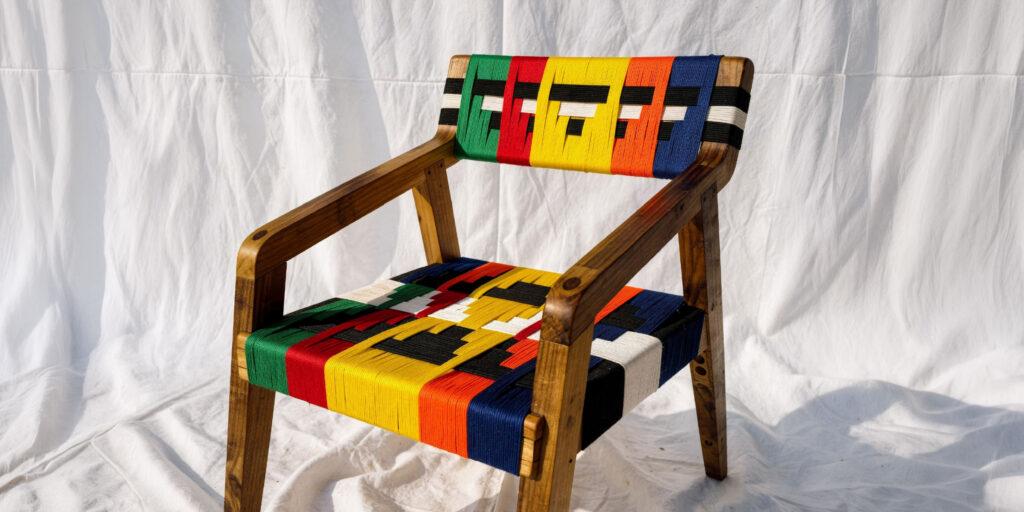
From seed to furniture
Long before a board reaches the workshop, the timber has to be carefully prepared. This is particularly important when creating custom furniture, where the material, proportions and intended use all influence how a piece comes together.
Once a tree is felled and sawn, the timber is given time to settle and dry. Depending on the species, this can include around six weeks of air drying followed by kiln drying for more than a month.
While this is integral to the process, it isn’t time our customers spend waiting for furniture. We keep these ready and in stock. It’s simply part of how we prepare our timber so that, when it reaches the workshop, it is ready to be worked with.
By the time your furniture is being made, the timber has already done its waiting.

Then the making begins
This is where the process becomes personal. Once the timber is ready, our craftspeople begin turning boards into furniture. Machines bring precision and consistency, but skilled hands make the decisions that machines can’t.
The grain of one particular board might influence how it is positioned. A natural variation might become a feature rather than something to hide. An edge may be refined, adjusted or shaped by eye. This is the part of the process where timber stops being simply a material and starts becoming a Homewood piece.
It's the detail that counts
A beautiful piece of furniture is only as good as what holds it together. Depending on the piece and where it will be used, our team at the factory select traditional artisanal joints suited to the application. Mortise and tenon, mitre, spline and half-lap joints are among the techniques used across our furniture, alongside mechanical methods where they make sense, but there isn’t one joint for every piece. A dining table, an indoor cabinet and an outdoor chair each have different demands, and the construction needs to respond accordingly. What matters is what happens beneath the surface: creating furniture that is made to be lived with, used and enjoyed for years.
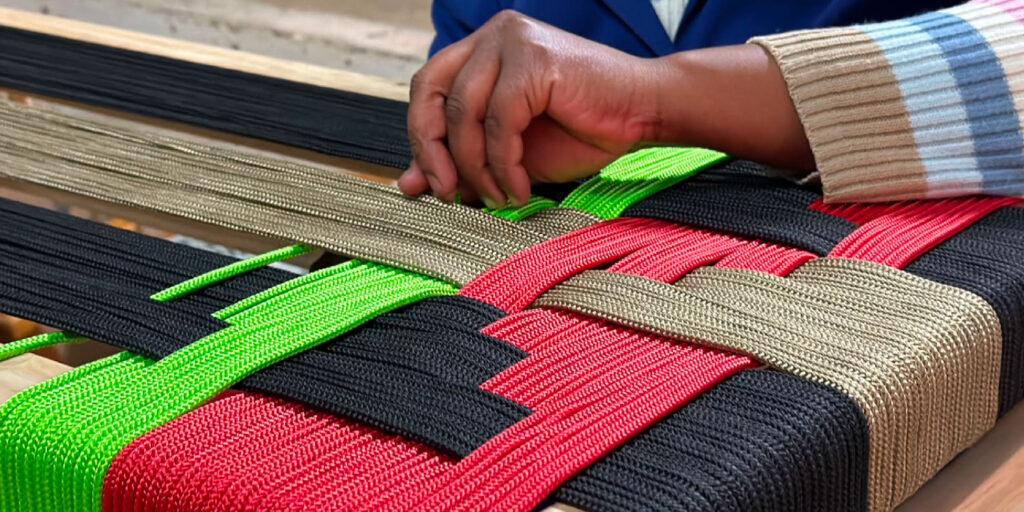
There's a story behind the finished piece
Manufacturing a Homewood original typically takes around five to six weeks. During that time, a piece moves through many hands, decisions and stages of making. Timber is shaped, joined, refined and finished until all those individual elements become one considered piece of furniture.
When it finally reaches your home, you see the result. You see the finished table, the chair, the cabinet or the piece you chose. What you don’t necessarily see are the decisions made around a particular board, the care taken over a joint or the hours spent refining an edge.
That is the nature of handcrafted furniture. The finished piece may look simple, but the actual craftmanship behind it is a complex process that is handled with precision. From seed to timber, from timber to workshop, and from workshop to home, every Homewood original carries a little of the journey that made it.
Ready to start yours? Get in touch with the Homewood team to create your next original piece.